
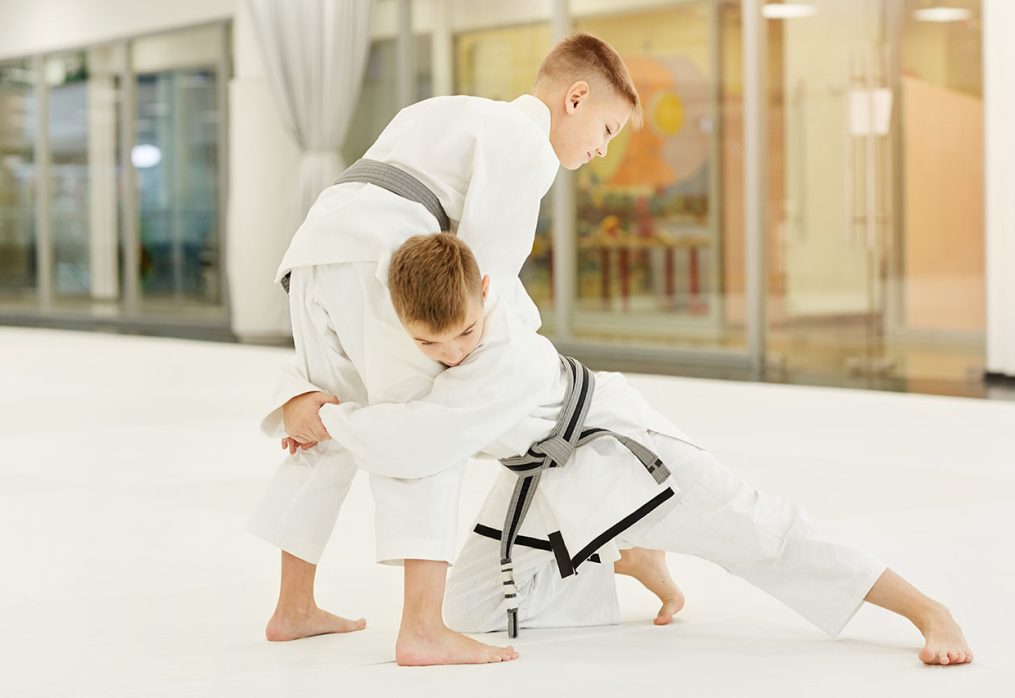

How Jiu Jitsu Builds Confidence in Children
 If you are a parent in Dubai, you have probably seen it. Some kids shrink away from new situations. Others act out when they feel unsure. A lot of children avoid anything that feels difficult, then they label themselves as “not good at it”.
That is where Brazilian Jiu Jitsu can help, when it is taught properly. Jiu Jitsu Builds Confidence in Children by giving them repeated, real experiences of handling challenge. Not motivational speeches. Not forced toughness. Actual moments where they try, struggle, adjust, and succeed.
This article explains Jiu Jitsu Builds Confidence in Children in a practical way. You will learn what “confidence” really looks like on the mats, what to look for in an academy, and how to support your child at home without turning training into pressure.
If you want to see how we structure our kids programmes, start here: Programmes.
What confidence really means for children
Parents often talk about confidence like it is a personality trait. In real life, confidence is closer to a skill. It shows up when a child believes, “I can handle this”.
In kids, confidence tends to look like:
- Trying even when they might fail
- Staying in the room when they feel nervous
- Speaking up, asking questions, or requesting help
- Handling mistakes without melting down
- Recovering faster after setbacks
Jiu Jitsu Builds Confidence in Children because it trains those behaviours directly. It places children into controlled difficulty, then gives them tools to handle it.
Why Jiu Jitsu Builds Confidence in Children better than most activities
A lot of sports help with confidence. Football, swimming, gymnastics, dance, all can be great. The difference with jiu jitsu is how often your child faces a live, moving problem, and how clearly progress shows up when they keep going.
In a good kids class, your child learns to:
- Stay calm while someone applies pressure
- Use technique instead of panic
- Think in steps, not emotions
- Try again immediately, not “later”
This matters because confidence is strongly linked to “I can cope”. Jiu jitsu is a coping practice, done in small doses, with clear safety rules.
Research reviews also suggest martial arts programmes can support psychological and cognitive outcomes in young people, depending on how they are delivered. If you are curious, you can read an example paper here: Frontiers in Pediatrics (martial arts training and cognitive/psychological functions).
The 5 ways Jiu Jitsu Builds Confidence in Children
1) It creates “I did it” moments every week
Confidence grows fastest when children experience progress they can feel. In jiu jitsu, even small wins count. Escaping a position. Remembering a grip. Staying focused for one extra minute. These are not imaginary wins. They are real, and the body knows it.
Jiu Jitsu Builds Confidence in Children because it stacks those moments. Week after week.
2) It teaches calm under pressure
A confident child is not always relaxed. They just recover faster. In jiu jitsu, kids learn what pressure feels like, and they learn to respond with a plan. This is one of the most valuable transfers to school and social situations.
When training is well run, the message is consistent. Pressure is normal. Breathing helps. Thinking helps. Quitting is not required.
3) It replaces avoidance with controlled exposure
Many children avoid what makes them nervous. Avoidance works short term, but it shrinks their world over time. Jiu jitsu gives controlled exposure to discomfort, and it keeps it safe.
That is why Jiu Jitsu Builds Confidence in Children who are shy, hesitant, or easily overwhelmed, when coaches understand child development and do not rush the child.
4) It builds social confidence without forced socialising
A lot of children struggle socially because they do not know what to do in groups. Jiu jitsu classes give structure. Turn taking. Partner switching. Team games. Rules that keep things fair.
It can be easier for a child to connect through shared drills than through unstructured free play.
5) It rewards effort, not “talent”
Kids who think they must be naturally good often quit early. The best jiu jitsu programmes reward effort, attention, and consistency. That is a healthier confidence. It is based on what they do, not what they “are”.
What a confidence-building kids programme should look like
Not all kids jiu jitsu classes build confidence. Some do the opposite. If the environment is chaotic, aggressive, or too advanced too soon, kids can shut down.
When you are choosing an academy in Dubai, look for these basics:
- Age-based classes, not mixed kids of all ages
- Clear class structure, so children know what is coming next
- Strong safety rules, with active coaching and supervision
- Small enough class sizes for real attention
- Progress you can understand, not vague “they will get better” promises
If you want a full breakdown on choosing quality, this guide may help: How to Choose a Jiu Jitsu Academy in Dubai.
How we approach confidence at Origami Factory
At Origami Factory, we built the academy around a simple idea. Confidence is trained. It is not hoped for.
Our kids programmes are split by developmental stage:
Each stage has a different balance of games, drilling, and sparring. That is important because a 5-year-old learns confidence differently from a 12-year-old.
You can also view our class times here: Schedule.
What “good pressure” looks like in class
Parents sometimes worry that jiu jitsu is too intense. It can be, if it is taught like adult training. A strong kids programme uses “good pressure”.
Good pressure means:
- Challenges are small and repeatable
- Children know the rules and boundaries
- Coaches stop unsafe behaviour immediately
- Children are paired carefully
- Wins are defined as effort and improvement, not domination
This is another reason Jiu Jitsu Builds Confidence in Children when the academy is structured. The child learns, “I can handle hard things, and I am safe while I do it”.
How to tell if your child is gaining confidence from Jiu Jitsu
Some changes are obvious. Others are subtle, and parents miss them because they expect confidence to look like loudness.
Here are signs your child’s confidence is improving:
- They enter class with less hesitation
- They attempt techniques without needing reassurance
- They cope better when they “lose” a round or a game
- They accept feedback without shutting down
- They speak more clearly to coaches and peers
- They recover faster after frustration at home or school
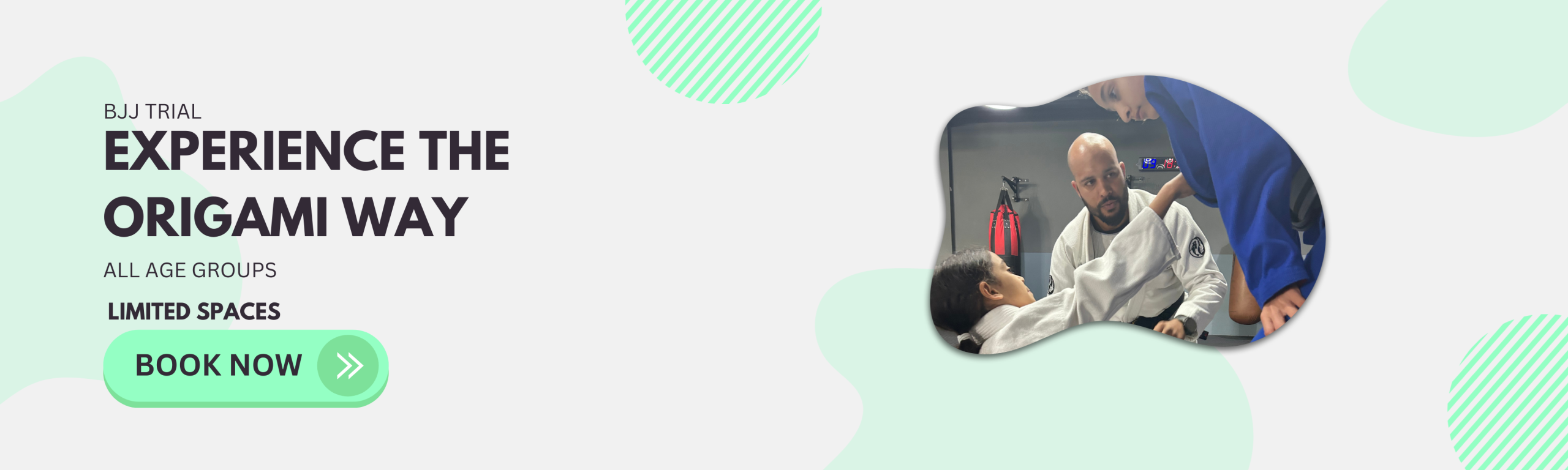
If you want to experience the environment before you commit, start here: BJJ Trial.
What parents can do at home to support confidence
This is where people accidentally undo progress. They mean well, but they apply pressure in the wrong way.
Here is what usually helps:
- Ask “What was hard today?” instead of “Did you win?”
- Praise effort, not outcome
- Let your child solve small problems before stepping in
- Keep routines simple around training days
- Do not compare them to other kids in class
If your child is shy, keep your expectations quiet. Let training do its job. It is often slower in week one, then it clicks later. That is normal.
Common reasons kids quit, and how to avoid them
Most kids do not quit because they hate jiu jitsu. They quit because the process around it is messy.
Common causes:
- The class is too advanced too soon
- They feel embarrassed in front of others
- Partners are mismatched
- There is no structure, so they feel lost
- The schedule is inconsistent, so they never settle
That is why you should treat “academy choice” as part of the confidence outcome. If you want help deciding, you can also read: Kids Jiu Jitsu in Dubai. What Parents Need to Know.
Jiu Jitsu Builds Confidence in Children, but only if the culture is right
This is blunt, but it matters. If the culture rewards ego, your child will either copy it or get hurt by it. A good academy rewards respect, patience, and effort.
When you visit a class, watch for:
- How coaches speak to kids when they make mistakes
- How coaches handle disruptive behaviour
- Whether quieter kids still get attention
- Whether the room feels organised, not chaotic
If you want to understand our story and why we built the academy this way, see: About.
FAQ. How Jiu Jitsu Builds Confidence in Children
At what age can my child start?
Most children can start from age 4, if the programme is designed for that stage. At Origami Factory, that is the Penguins Age 4–6 programme.
My child is shy. Will they be forced to spar?
They should not be forced. A good kids programme introduces contact gradually and keeps it playful and controlled. Shy kids often do well when the environment is calm and structured.
How long until we see changes?
Some parents notice changes within a few weeks, especially around willingness to try and coping with frustration. Bigger changes usually come from consistent attendance over a few months.
Is jiu jitsu safe for children?
When taught properly, yes. Safety depends on coaching, supervision, and partner matching. Always watch a real class before enrolling.
How many sessions per week is best for confidence?
Twice per week is a strong baseline for most children. It is frequent enough for skills to stick and routine to form, without burnout. You can check times here: Schedule.
What should my child wear to the first class?
A comfortable t-shirt and shorts is fine for a trial. Most academies will guide you on uniform after that. For our process, start here: BJJ Trial.
How do I ask questions before booking?
You can contact the team here: Contact.
Next step
If you want to see whether Jiu Jitsu Builds Confidence in Children for your child in a real Dubai training environment, book a trial and watch how they respond in class. Start here: BJJ Trial.